
Federal taxes are paid to the IRS and fund national programs like Social Security, Medicare, and defense. State taxes are paid to your state (in Georgia, the Georgia Department of Revenue) and fund roads, schools, and public safety. You usually file both returns, and the rules, rates, and deductions are different for each.
If you’ve ever looked at your first paycheck and wondered why so many different taxes came out of it, you’re not alone. At TJ Marshall Tax & Accounting in Marietta, GA, “what’s the difference between federal and state taxes?” is one of the most common questions we hear from first-time filers, new business owners, and people who recently moved to Georgia.
This guide explains it in plain English: who collects what, how each tax works, and what it means for you as a Georgia taxpayer.
What Are Federal Taxes?
Federal taxes are collected by the Internal Revenue Service (IRS) and apply to every U.S. taxpayer, no matter which state you live in. The money funds things the whole country shares:
- Social Security and Medicare
- National defense and veterans’ benefits
- Federal highways and infrastructure
- Federal agencies, research, and disaster relief
The Main Types of Federal Taxes
1. Federal income tax. This is the one most people think of first. It’s charged on your earnings, including wages, self-employment income, interest, and investment gains.
2. Payroll taxes (FICA). These fund Social Security and Medicare. If you’re an employee, you pay 7.65% of your wages and your employer matches it. If you’re self-employed, you generally pay both halves, which is the 15.3% self-employment tax.
3. Capital gains tax. This applies when you sell investments or property for more than you paid.
4. Excise, estate, and gift taxes. These apply to specific situations, such as certain goods, large estates, or large gifts.
How Federal Income Tax Works
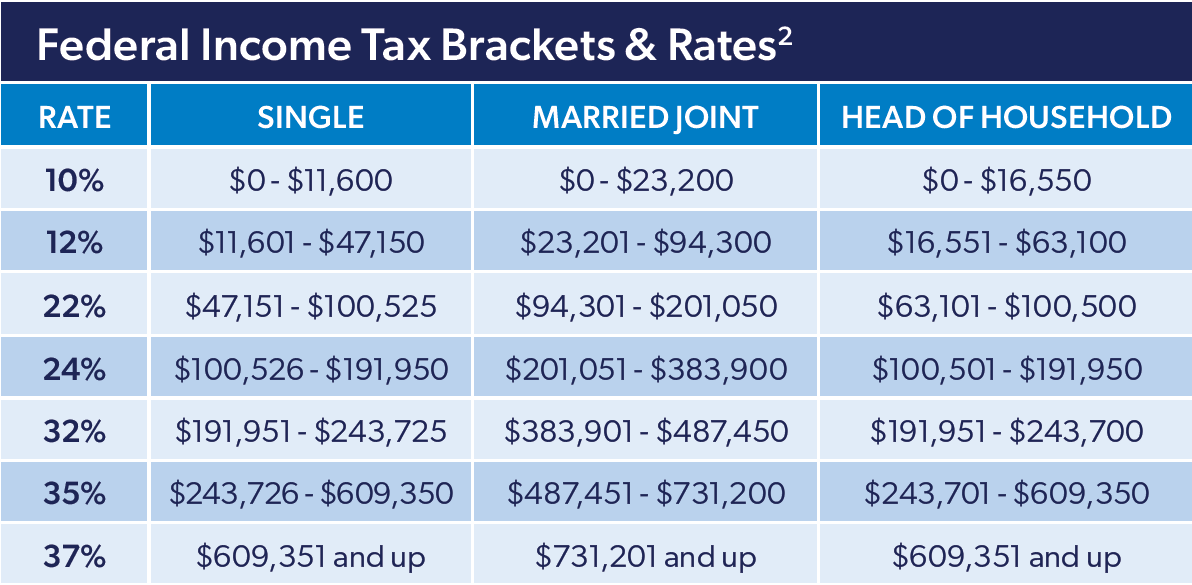
The federal income tax system is progressive. As your income rises, higher portions of it are taxed at higher rates. The current rates run from 10% to 37%.
Here’s the part beginners often get wrong: moving into a higher bracket does not mean all your income is taxed at the higher rate. Only the dollars inside that bracket are taxed at that rate. Earning a raise will never leave you with less take-home pay because of the brackets themselves.
Your federal bill is based on your taxable income, which is your total income minus your deductions. Most people take the standard deduction, a set amount that lowers your taxable income automatically. For 2026, it’s $16,100 for single filers and $32,200 for married couples filing jointly. Others choose to itemize if their deductible expenses, such as mortgage interest or charitable gifts, add up to more.
What Are State Taxes?
State taxes are collected by your state government and pay for services closer to home: public schools, state highways, state parks, courts, and public safety. Every state sets its own rules, which is why moving from one state to another can change your tax bill noticeably.
The Main Types of State and Local Taxes
- State income tax. Most states have one, but a handful don’t.
- Sales tax. A percentage added to purchases at the register.
- Property tax. Usually collected locally (by your county) based on your property’s assessed value.
- Excise taxes. Taxes on specific items, like gasoline.
How Georgia Taxes Work
Since TJ Marshall Tax & Accounting serves clients in Marietta and across Cobb County, here’s how it works in Georgia.
Georgia has a flat income tax. Unlike the federal system, Georgia moved from a tiered system to a single flat rate that applies to all taxable income. That rate has been stepping down year by year. Recent legislation sets it at 4.99% for tax year 2026, down from 5.39% in 2024. Because lawmakers adjust this rate, it’s smart to confirm the current figure with the Georgia Department of Revenue or a tax professional before you file.
Georgia sales tax. The state rate is 4%, and counties and cities add local taxes on top, so the total you pay at the register depends on where you shop.
Georgia property tax. Property taxes are set and collected at the county level. Cobb County homeowners may qualify for a homestead exemption, which can lower the taxable value of your primary residence. It’s worth checking if you’ve bought a home recently.
Retirement income. Georgia offers retirement income exclusions for eligible taxpayers based on age, and it does not tax Social Security benefits. If you’re retired or close to it, this matters.
No estate or inheritance tax. Georgia doesn’t charge either one at the state level, though federal estate tax rules can still apply to very large estates.
Federal vs State Taxes: Side-by-Side Comparison
| Federal Taxes | State Taxes (Georgia) | |
|---|---|---|
| Who collects it | IRS | Georgia Department of Revenue |
| Who pays it | All U.S. taxpayers | Georgia residents and people earning income in Georgia |
| Income tax structure | Progressive (10% to 37%) | Flat rate |
| Main uses | National programs, defense, Social Security, Medicare | Schools, roads, public safety |
| Return filed | Form 1040 | Georgia Form 500 |
| Payroll taxes | Yes (Social Security and Medicare) | Not the same, but state unemployment taxes apply to employers |
| Deductions and credits | Set by federal law | Set by Georgia law, which can differ from federal |
Do I Have to File Both a Federal and a State Return?
In most cases, yes. If you live in Georgia and earn income, you’ll generally file a federal return with the IRS and a Georgia return with the Georgia Department of Revenue.
Two situations tend to confuse beginners:
You moved during the year. You may need to file a part-year resident return in more than one state, reporting only the income earned while you lived in each.
You live in one state and work in another. You might owe tax to both states, though credits often prevent you from paying twice on the same income. Georgia sits next to several states, so this comes up often for people working across state lines.
Georgia doesn’t automatically copy every federal tax rule. Sometimes the state uses an earlier version of the federal tax code, which means a deduction or credit you get on your federal return may be treated differently on your Georgia return. That’s one more reason both returns need to be prepared with care and not treated as copies of each other.
Common Beginner Mistakes with Federal and State Taxes
1. Assuming your paycheck withholding is exactly right. Your employer withholds both federal and state tax based on your W-4 and Georgia withholding form (G-4). If those forms are outdated or filled out incorrectly, you can end up with a surprise bill or a refund much larger than expected.
2. Forgetting about state taxes on side income. Freelance, gig, and side-business income is taxable federally and by Georgia. Without an employer withholding anything, you may need to make quarterly estimated payments.
3. Mixing up deductions and credits. A deduction lowers the income you’re taxed on. A credit reduces your tax bill dollar for dollar. Credits are usually more valuable, and the federal and Georgia lists are not identical.
4. Missing state-only opportunities. Georgia has its own exclusions, credits, and exemptions. Filing software can miss them, and some people only find out years later.
5. Waiting until the last minute. Rushed returns are where errors and missed savings creep in. Starting early gives you time to gather documents and make smart decisions before deadlines.
Simple Ways to Lower Both Your Federal and State Tax Bill
A few moves can help on both returns:
- Contribute to a retirement account. Traditional 401(k) contributions generally lower your taxable income for federal purposes, and often for Georgia as well.
- Keep clean records. Receipts, mileage logs, and invoices make deductions easy to support.
- Claim the credits you qualify for. Education, child-related, and energy credits are common examples.
- Review your withholding after major life changes. Marriage, a new baby, a new job, a home purchase, or starting a business can all change what you should be withholding.
- Get professional guidance if you’re self-employed. Business owners have the most room for legitimate savings, and the most room for expensive mistakes.
Frequently Asked Questions
What is the main difference between federal and state taxes?
Federal taxes go to the IRS and fund national programs, while state taxes go to your state government and fund local services. Each has its own rates, rules, deductions, and filing requirements.
Do I pay federal or state taxes first?
You pay both when they’re due, and you generally prepare your federal return first, because your Georgia return typically starts from your federal figures.
Does Georgia have a state income tax?
Yes. Georgia has a flat state income tax that applies the same rate to all taxable income, regardless of how much you earn.
Can I deduct state taxes on my federal return?
Sometimes. If you itemize, you may be able to deduct state and local taxes up to a federal cap. If you take the standard deduction, you can’t deduct them separately.
What happens if I don’t file a state return?
You can face penalties and interest, and the Georgia Department of Revenue can assess what you owe. Filing on time, even if you can’t pay in full, is almost always the better move.
Do I need an accountant for federal and state taxes?
Not everyone does, but a professional can be worth it if you’re self-employed, own a business, have multiple income sources, moved states, or simply want to be sure you’re not leaving money on the table.